

Real estate values in Phuket have risen by roughly three times in the last decade. No, really. What was sold in 2013 at 15 million baht as a beachside villa is now going for 45 million. And the demand keeps coming thai phuket real estate.
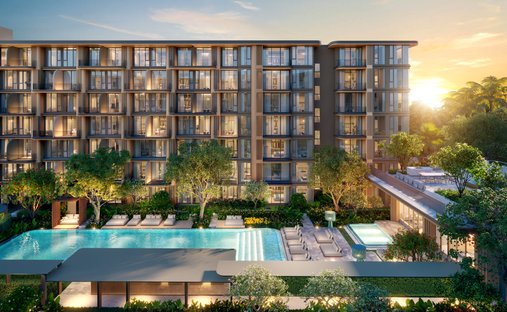
What's behind this surge? A few things. Tourism never truly disappeared in this country — it took a COVID-era detour and returned stronger than ever. Demand in the long-term to rent by digital nomads skyrocketed post-2021. And the geography of the island does the task at no cost: you can only go so far before you've reached jungle or mountain or sea.
Phuket is not a single market. Multiple micro-markets are crowded on a single island, and treating them as equal is how investors make costly mistakes.
Patong? High density, nightlife, short-stay rental powerhouse. It is loud, chaotic, and capital growth tends to lag behind. A completely different crowd is drawn to Rawai and Nai Harn — a distinct type of resident: expat retirees, families, individuals who have discovered that paradise can exist without the nightlife scene. The most popular prices are offered by Bang Tao and Laguna due to golf, beach clubs, and restaurants where the wine list is longer than the menu.
A friend of mine purchased a two-bedroom apartment in the area of Kata Beach for only slightly less than 4 million baht. He took it on a short term basis, received approximately 150,000 baht in high season alone, and sold it in 2023 at 5.8 million. No real estate genius here. He just chose the right area, worked with a reliable manager, and kept his cool during COVID.
Laws in foreign ownership are here infamously vexing. Foreigners are not allowed to hold land in their own right — Thai law does not allow foreigners to own more than 49 percent of the total floor area in any one building for condominiums. The piece you are playing in is condos, and this means proper title deeds and clear legal ownership. Villas are more complicated — leases of 30 years, often renewable, are the workaround of long-term, but that's not actual ownership. Know what you're signing.
The leasehold vs freehold debate never gets old at expat dinner tables. Western buyers are terrified by leasehold since they have been accustomed to freehold ownership. However, a well-structured 30+30+30 year lease in Phuket that is accompanied by legal documentation can be quite secure. The devil is always in the fine print. Hire a local real estate attorney — not the attorneys of the developer, yours.
New builds are everywhere all over the island. Some are outstanding. Others are romanticized brochures with impressions of artists and loose dates of completion. Pre-construction prices are enticing — usually 15-25% below completion prices — but off-plan purchases are a real gamble. Check the developer's history, what they've delivered before, and has he/she ever abandoned a building halfway? It happens.
Rental returns should be looked into fairly. Brochures love to throw around figures such as 8-10% assured returns. Guaranteed by whom, exactly? The peak season in Phuket lasts around November till April. Low-season occupancy can drop sharply. A real-world net yield after fees, maintenance, and vacancies would be in the 5 to 7% range on a well-positioned condo. Still decent. But not magic money.
What has shifted most noticeably is the buyer profile. In some segments, Russian buyers were taking up too long a time — Surin Beach even got a nickname because of it. Sanctions that followed after 2022 changed that somewhat. Chinese investors who pulled back during the pandemic have begun to come back. The number of Middle Eastern, Australian and Scandinavian buyers has increased significantly. The market is diversifying, and this is likely to make it more robust.
There is slow improvement of infrastructure. The Phuket Town to airport Light Rail Transit project has been delayed so long it's become a running joke. But the roads have improved beyond five years ago. Phuket Town itself is experiencing a real renaissance — old shophouses are being transformed into boutique hotels and coffee shops, drawing in a type of client that ten years ago would not have given the old quarter a second glance.
Over the long haul, the island is not going to disappear. The attraction has been: beaches, food, weather, cost of living compared to Europe — and that's a powerful magnet. The question every buyer faces is whether he or she is buying at a fair price, in the right place, with the legality of ownership that he or she actually knows. Get those three right and Phuket real estate still makes sense.