

The concept of route streamlining sounds perfect. Maps, arrows, and neat shortest paths. Real life quickly disagrees route optimization journal.
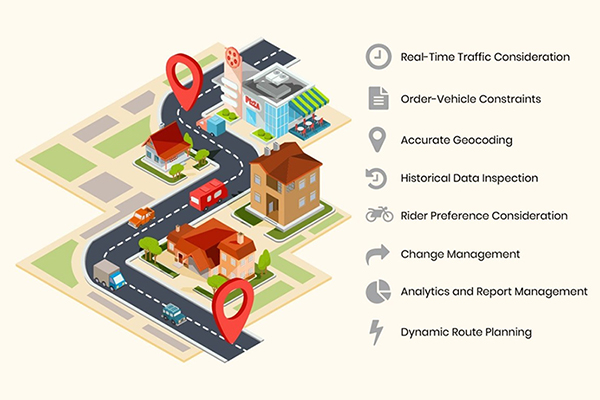
Imagine a delivery driver named Sam. Coffee in one hand. A phone barking directions. Road closed. Detour again. The trip turns into an exhausting detour. This is where optimisation shows its worth.
At its core, route optimisation is a simple question: what is the best working route right now? Not yesterday. Not theoretical. Live conditions decide everything.
Distance is not the only factor. Time often matters more. Predictability matters too. A slow five-mile crawl can be worse than a smooth seven-mile flow. Anyone trapped behind repeated red lights understands this well.
Modern optimisation is data-driven. Lots of data. GPS pings, historical traffic patterns, live congestion feeds. Driver behavior even enters the equation. Frequent hard braking? The system adapts. Too much idling? Routes change. The map is listening.
Organizations see direct results. Reduced mileage leads to lower fuel consumption. That appears clearly in reports. Drivers get home earlier, improving morale. The question “Where is my delivery?” fades away. That silence is a good one.
There is also a strategic side people often overlook. Routes influence habits, and habits drive performance. When teams get smarter, wasted motion disappears. A logistics manager once joked, “No cost cuts—we just stopped being stupid.”. Rough, but true.
Trade-offs in route optimisation are handled quietly. Is speed more important than fuel efficiency? Consistency or avoiding toll roads? Some days the express route makes sense. Other days you avoid it. Bad systems do not improve through committee meetings.
And it’s not just trucks. Field technicians, sales reps, emergency services, school buses. One school district saved ten minutes per ride through better routing. Parents noticed, and kids did as well. There was less complaining before 8 a.m.
People still matter. Algorithms suggest, people decide. Drivers know which streets flood during storms. Dispatchers understand customer reactions. The best results come from combining street smarts with math.
Optimisation is not glamorous. No one celebrates fewer left turns. Yet it protects time, money, and sanity. Quietly, without announcements. Like comfortable shoes, you notice them only when you lose them.
And once optimisation is in place, it rarely gets turned off. Like folding a paper map after using GPS. You could do it, but you wouldn’t want to.