

Second language acquisition as an adult is like putting together furniture without a manual. It is possible, deeply frustrating more help. Kids, on the other hand, soak up language effortlessly in a swimming pool.
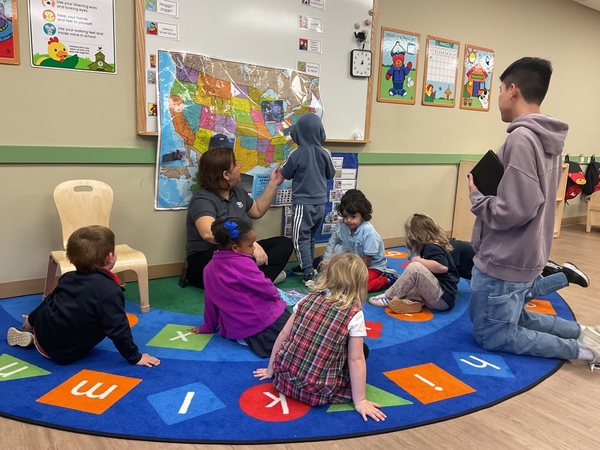
This is precisely what is causing the Spanish immersion program among preschool and kindergarten children in Walnut Creek to grow rapidly among local families.
And this is where most parents remain in the dark until it is often too late: the critical period for language learning is ages 2 to 7. The brain develops in a unique way during this period. Children absorb sounds, rhythms, and grammar effortlessly, without the embarrassment that adults often feel.
This is especially relevant in Walnut Creek. Because Spanish is widely spoken across California, raising bilingual children is not just educational, but socially and economically beneficial.
These programs are much more than simple vocabulary lessons. The most effective programs integrate language into daily life. Daily routines like eating, playing, and singing all reinforce learning. Children even sing songs in the car without realizing they’re conjugating verbs.
By kindergarten, this development accelerates significantly. After immersion exposure, children begin thinking directly in Spanish. They begin thinking in Spanish—a completely new cognitive gear.
Many parents wonder: “Could this confuse my kid?” The answer is no. Decades of research show that bilingual children gain enhanced mental flexibility, are better problem-solvers, and become more advanced readers overall.
A mother in Walnut Creek once said: “By Thanksgiving, my child was correcting me. I was both proud and humbled.”
Beyond academics, there are social advantages. Children in immersion programs develop a natural curiosity about culture. They begin asking questions about holidays, food, and language differences. That curiosity becomes a lifelong asset.
There are several types of programs available. Some provide full immersion environments where only Spanish is used. Some balance English and Spanish equally, ideal for non-Spanish-speaking families. There is no single “right” approach—it depends on your child’s personality and your goals.
Cost is an important consideration. Quality bilingual programs in the Bay Area can be costly. Still, families often view it as a valuable investment. College prep? One step ahead. Job opportunities where Spanish is valued? Definitely.