

The thing about Pixwith AI is that most people stumble across it like a great taco place — by chance — and then they keep recommending it.
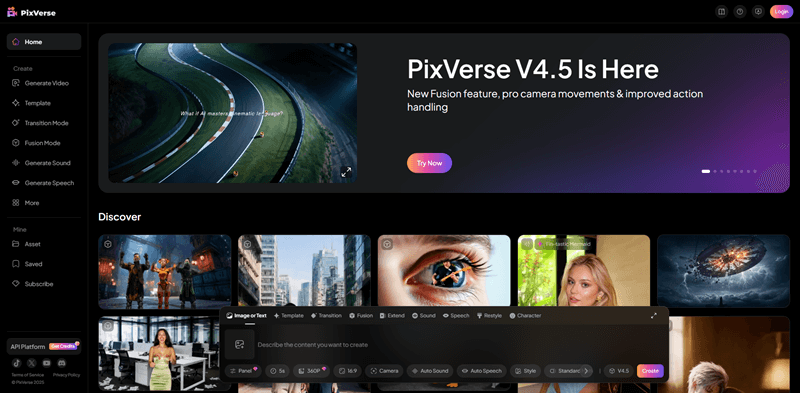
It started circulating around small design circles. A couple of freelancers gave it a shout-out in Slack. Someone shared a before-and-after on Reddit and the post went viral https://video-generator.ai/.
The tool? Pixwith AI — which allows you to generate, refine, and enhance visuals with AI prompts, without having to learn complex shortcuts or investing heavily on expensive software.
Here’s why it’s gaining traction:
It’s fast but not crazy. Pixwith AI doesn’t just generate visuals fast. It delivers strong results almost instantly. That’s a big difference.
When most AI image tools create art, it’s like eating potato chips full of air. Pixwith changes the game. The generated images are consistently strong — even with detailed prompts.
Realistic product visuals.
Illustrated social media graphics.
A magic eraser that actually works.
These aren’t small features — for creators working every day, they’re everything.
No design background required. Seriously. There’s no heavy learning penalty. A copywriter can jump in and use it conversationally and get something usable out the other end.
That’s not always the case with design tools.
Yes, it has a learning curve — but it’s more like a ski slope than a vertical wall.
It simplifies bulk tasks.
Here’s an example: you need multiple versions of a product image for an A/B test. Without AI, that’s hours of work. With Pixwith, it takes less time than your second coffee.
Bulk creation — all in one place.
This isn’t a pipe dream. It’s already being used to cut production time in half.
Prompting is where it shines. With other platforms, things can get weird. Slight changes can produce strange outputs.
Pixwith understands intent better. You can be vague or specific, and it usually gets usable results quickly.
That’s the difference between smart help and random output.
Where it really stands out:
It’s a favorite for social media teams because of its efficiency.
Solo creators who can’t afford designers are using it to compete at a higher level.
Content marketers are creating visuals at scale.
Even photographers are using it to visualize ideas.