

Second language acquisition as an adult is similar to putting together furniture without a manual. It can be done, but extremely frustrating. Children, however, absorb language like a sponge in a swimming pool.
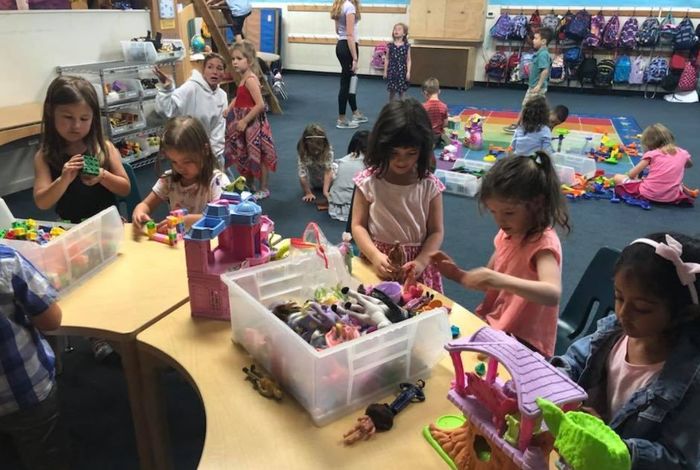
This is what is driving the Spanish immersion program among preschool and kindergarten children in Walnut Creek to grow rapidly among families in the area myspanishvillage
.
This is something many parents overlook: the golden age for language acquisition is between 2-7 years old. At this stage, the brain is wired differently. Sound, rhythms, and grammatical patterns are absorbed naturally, without the embarrassment that adults often feel.
Walnut Creek is uniquely positioned in a cultural corridor. Given the significant Spanish-speaking population in the Bay Area and California, raising bilingual children is both a cultural and economic investment.
Spanish preschool goes beyond flashcards and basic counting. The best programs use language naturally throughout the day. Activities like snack time, storytelling, playtime, and singing all reinforce learning. Children even sing songs in the car without realizing they’re conjugating verbs.
At the kindergarten level, progress increases rapidly. After one or two years of immersion, children stop translating in their heads. They process thoughts in Spanish—a new mental framework.
A common question is: “Is bilingual learning confusing?” The answer is no. Research consistently shows that bilingual children develop stronger executive function, are better problem-solvers, and become better readers—even in their first language.
One Walnut Creek mother shared: “My daughter corrected my pronunciation by Thanksgiving—I felt proud and embarrassed.”
Beyond academics, there are social advantages. They gain an intrinsic interest in cultural differences. They begin asking questions about holidays, food, and language differences. This curiosity becomes a lifelong investment.
Walnut Creek programs vary in structure. Some offer full-day immersion with only Spanish spoken. Some balance English and Spanish equally, ideal for non-Spanish-speaking families. No method is universally best—it depends on your child and your goals.
Financial factors do come up. High-quality bilingual education in the Bay Area is rarely inexpensive. However, many families see it as a long-term investment. College prep? One step ahead. Professional benefits? Without question.