

A large number of business owners see their fleet as a necessary evil. Fleet vehicles cost a fortune. Fuel gets consumed fast. Trucks break down when you least expect it. However visit website, here's the thing — a poorly managed fleet doesn't lose money without warning. It bleeds bleeding loudly, non-stop and often simultaneously.
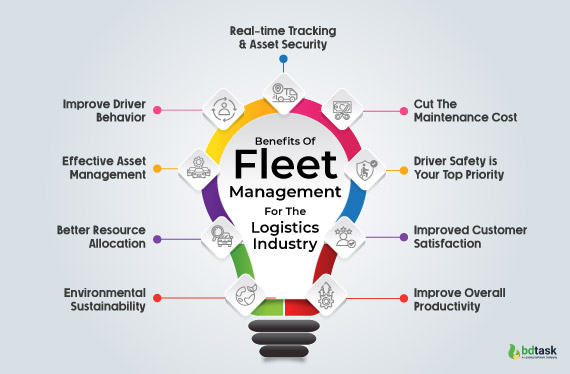
Fleet management underpins any operation that moves goods, people, or services. Manage it well, and your vehicles become efficient profit machines. Mess it up and you're constantly chasing problems with your wallet.
And where most of the companies fail then?
They fly blind. No real-time tracking. No preventive maintenance plans. No fuel consumption tracking. Pure vibrations and crossed fingers. One driver calls in with a broken-down truck on the highway and the whole day falls apart. That's not fate — it's the cost of not having a system.
Once real-time GPS tracking became accessible, everything changed. Fleet location can now be monitored live, around the clock. Reroutes are flagged. Stop and searches are observed. The time when we do nothing, that is, light money on fire, is measured and diminished. Companies that adopt real-time tracking regularly see 10–15% reductions in fuel costs. That's no small number. That's someone's annual wage.
Preventive maintenance is another massive opportunity businesses consistently miss. Reactive maintenance — repairing when something fails — is three to five times more expensive than planned servicing. Scheduled oil changes are as little as $60. A blown engine rebuild will set you back $6,000. The numbers make the case on their own.
Modern fleet management platforms send automatic alerts when vehicles hit mileage thresholds or sensors flag an issue. No mechanic intuition required. The software handles it automatically.
It gets personal here, and uncomfortable — driver behavior.
Most people are uncomfortable with the idea of tracking staff behavior. The stats, however, are hard to argue with. Hard stops, heavy acceleration, and consistent speeding raise crash risk and wreak havoc on fuel economy. Hard braking 40 times daily doesn't just wear out components; that driver is also a serious liability on the road.
One logistics business tracked driver behavior across a 50-vehicle fleet for 90 consecutive days. At the end of the study, just three drivers were responsible for 60% of all excess fuel consumption. Three drivers. In a fleet of fifty. A targeted coaching session with those three saved $18,000 per year in fuel alone. No lay-offs, no drama, just information and a discussion.